
- Overview
- Trip Outline
- Trip Includes
- Trip Excludes
- Gallery
- Reviews
- FAQ
The Japan Essentials Tour is a comprehensive 13-day, 12-night journey through Japan’s most iconic destinations. From the bustling streets and historic temples of Tokyo and Kyoto to the serene landscapes of Mount Fuji and the Japanese Alps, this tour captures the perfect blend of tradition, modernity, and natural beauty. Designed for travelers seeking a complete introduction to Japan, it offers cultural experiences, scenic adventures, and memorable urban exploration.
Japan is a land where ancient traditions coexist with futuristic innovation, offering a travel experience unlike any other. On this 13-day journey, explore the vibrant energy of Tokyo, stroll through historic Kyoto and Nara, marvel at the majestic Mount Fuji, and enjoy the peaceful beauty of Japan’s countryside. With a carefully curated itinerary, the Japan Essentials Tour ensures that every traveler experiences the highlights of Japan—its culture, cuisine, architecture, and natural landscapes—in comfort and style.
Itineraries
Day 1
Arrive in Tokyo
Arrive in Tokyo, a vibrant city that's both ultra-high-tech and captivating, and check into your hotel. The rest of the day is free to explore. We recommend booking flights that arrive by 4 PM at the latest. (Transfers from the airport to the hotel with group bus transportation, and in case of multiple arrivals, two transfers per group.) Check in and end the day with a relaxing buffet dinner at the hotel at 7:00 PM. Overnight: Tokyo
Meals: Dinner
Day 2
Tokyo to Hiroshima
Begin your day with breakfast at the hotel. Transfer to Tokyo Station and board the Shinkansen bullet train to Hiroshima, experiencing Japan’s world-class high-speed rail system along the way. Upon arrival at Miyajimaguchi Port, take a scenic ferry ride to Miyajima Island. Visit the iconic Itsukushima Shrine, renowned for its “floating” torii gate and breathtaking views of the Seto Inland Sea. After exploring the shrine, return by ferry and transfer to your hotel in Hiroshima. Enjoy a buffet dinner at the hotel, followed by an overnight stay.
Overnight: Hiroshima
Meals: Breakfast, Dinner
Day 3
Tokyo to Osaka
Morning: Enjoy breakfast at the hotel before departing for the Peace Memorial Museum – learn about Hiroshima's history and the impact of the atomic bomb through exhibits and artifacts. Then, make a photo stop at the iconic Atomic Bomb Dome, a powerful symbol of peace and resilience.
Afternoon: Board the Shinkansen bullet train to Osaka. Upon arrival, begin your exploration with a visit to Osaka Castle, including entrance to the castle grounds and museum, where you can discover its rich history and panoramic views from the top. Next, head to the Meda Sky Building Observatory for breathtaking views of the Osaka skyline.
Evening: Stroll through the lively Dotombori area, renowned for its vibrant neon lights, diverse street food, and numerous entertainment options. End your day with a dinner at a local restaurant before transferring to your hotel for an overnight stay.
Overnight: Osaka
Meals: Breakfast, Dinner
Day 4
Full Day tour
Start the tour after breakfast at the hotel. Visit Kasuga Shrine (Free Area): Renowned for its tranquil forest surroundings and hundreds of bronze lanterns, this UNESCO World Heritage Site provides a peaceful beginning to your day. Explore Todaiji Temple (Great Temple): Marvel at one of Japan’s most iconic landmarks, home to the world’s largest bronze Buddha statue and an impressive wooden main hall. Lunch at Higashimuki Shotengai: Enjoy free time for lunch and shopping in this lively covered arcade filled with local eateries and unique shops. Drive to the Kyoto hotel: Relax during your journey from Nara to your accommodations in Kyoto. Buffet dinner at a restaurant or hotel: Savor a wide selection of Japanese dishes to end your day. Overnight: Kyoto
Meals: Breakfast, Dinner
Day 5
Full Day in Kyoto
Begin your day with breakfast at the hotel, followed by a visit to Nijo Castle, the historic residence of the Tokugawa shoguns, renowned for its elegant gardens and unique nightingale floors that chirp as you walk, offering a glimpse into Japan’s feudal history. Continue to Kiyomizudera Temple, one of Kyoto’s most celebrated temples, famous for its wooden stage that juts out over the hillside, providing panoramic views of the city and beautiful seasonal scenery. Enjoy a buffet lunch and transfer to the hotel, then in the evening, take a guided coach tour to Gion, Kyoto’s historic entertainment district known for its traditional teahouses, atmospheric streets, and the potential to see geisha.
Overnight: Kyoto
Meals: Breakfast, Lunch
Day 6
Full Day in Kyoto
Begin your day with breakfast at the hotel before setting out to explore the Arashiyama Area (Bamboo Forest) for 1.5 hours, where you can wander through the famous bamboo groves and enjoy scenic views along the river. Continue to the Kinkakuji Temple, known as the renowned Golden Pavilion and a UNESCO World Heritage Site, celebrated for its stunning gold-leaf exterior and tranquil garden setting. Next, discover Kyoto’s vibrant Nishiki Market, famous for its wide variety of local foods, fresh produce, and unique culinary experiences. Participants will then have the opportunity for Kimono Wearing – Photo Only, where you can don a traditional kimono for photos (no walking tour included). A special highlight of the day is a visit to Beit Shalom Kyoto (only 1 time in tour), which is unique to this day and will not be repeated during the tour. End your day with a buffet dinner at a local restaurant, enjoying a wide selection of Japanese dishes to complete your Kyoto experience.
Overnight: Kyoto
Meals: Breakfast, Dinner
Day 7
Full Day Tour in Kanazawa
Spend your day in Kanazawa beginning with breakfast at the hotel, then head to Omicho Market to explore the city’s vibrant seafood and produce market, renowned for its fresh local delicacies and lively atmosphere. Next, visit Nomurake (Samurai Residence) and discover the history and lifestyle of Kanazawa’s samurai families as you tour the beautifully preserved residence and garden. In the afternoon, stroll along Higashi Chayagai Street, a charming historical district known for its traditional teahouses, picturesque streets, and well-preserved architecture, offering a glimpse into Kanazawa’s rich cultural heritage. In the evening, enjoy a buffet dinner at a local restaurant before transferring to your hotel for an overnight stay.
Overnight: Kanazawa
Meals: Breakfast, Dinner
Day 8
Full Day Takayama
After breakfast at the hotel, visit Kenrokuen Garden—celebrated for its stunning seasonal landscapes—then continue to the UNESCO-listed village of Shirakawago, known for its iconic thatched-roof houses, where you’ll explore Kanda House and enjoy time in the village. Afterwards, drive to Takayama to discover the impressive festival floats at the Yatai Kaikan Museum and stroll along the charming Edo-era Sammachi Dori Street. End the day with a buffet dinner at a local restaurant and arrive at your hotel for the night.
Overnight: Takayama
Meals: Breakfast, Dinner
Day 9
Full-day tour in Hakone
Begin your day with a delicious breakfast at your hotel, offering a range of Japanese and Western options. Next, immerse yourself in the vibrant atmosphere of Miyagawa Morning Market, where you can explore local produce, snacks, and traditional crafts along the lively riverside—an ideal opportunity to experience the flavors and culture of Takayama. Continue your journey to Matsumoto, a city known for its historic sites and unique local charm. There, visit Matsumoto Castle, renowned as one of Japan’s most beautiful original castles, famous for its striking black exterior and well-preserved architecture. Afterwards, gain fascinating insights into the natural and cultural significance of Japan’s iconic peak at the Mt. Fuji World Heritage Center, which features interactive exhibits and exceptional views. Conclude your day with a buffet dinner that showcases regional dishes, followed by the chance to unwind in your hotel’s complimentary onsen (hot spring bath).
Overnight: Hakone
Meals: Breakfast, Dinner
Day 10
Full-day tour in Hakone ends in Tokyo
Begin your day with breakfast at the hotel before setting out on a pirate cruise on Lake Ashi, where you can enjoy scenic views of Mt. Fuji from a themed boat gliding across tranquil waters. Next, explore the Open Air Museum, renowned for its fascinating outdoor sculptures and art installations nestled in Hakone's picturesque landscape. Continue on to Kamakura to visit Hasedera Temple, celebrated for its beautiful gardens and panoramic city views, and then discover the Kotokuin Temple (Great Buddha), home to an iconic bronze Buddha statue and one of Japan’s most famous landmarks. Conclude the day with a drive to Tokyo and a buffet dinner.
Overnight: Tokyo
Meals: Breakfast, Dinner
Day 11
Full-day tour in Tokyo
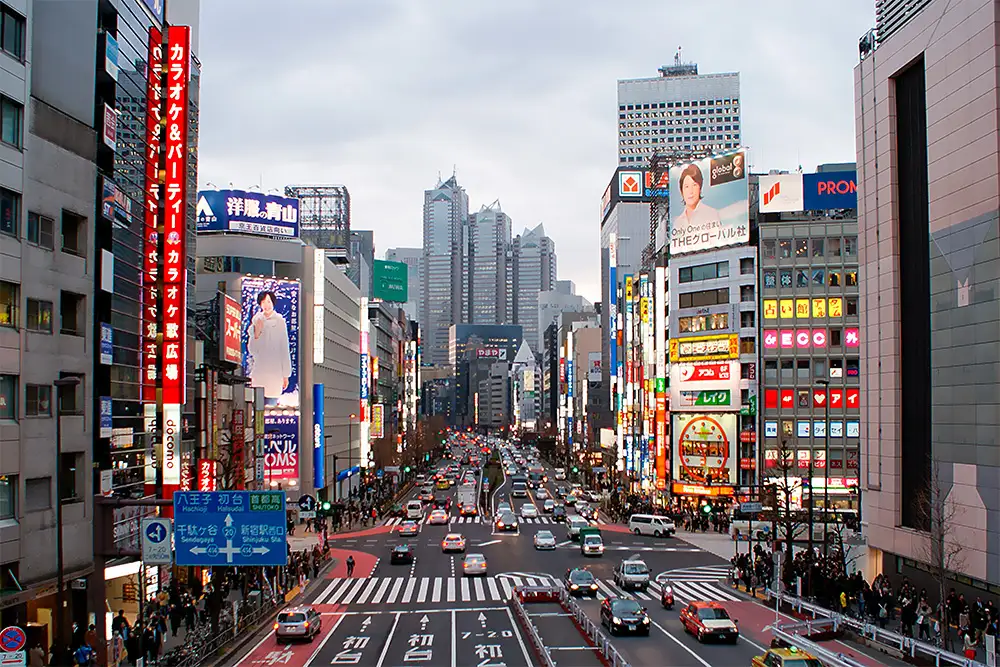
Begin with breakfast at your hotel, followed by a visit to the lively Tsukiji Outer Market, famous for fresh seafood and street food stalls. Pass by the Imperial Palace, surrounded by scenic gardens, then stroll down historic Nakamise Shopping Street, leading to Senso-ji Temple and lined with traditional crafts and snacks. Enjoy panoramic views from the Tokyo Skytree’s lower observatory before returning to your hotel. In the evening, savor a buffet dinner at Hotel Prince and experience the vibrant shopping and nightlife of Shinjuku, before a comfortable coach ride back to your hotel between 19:00 and 23:00.
Overnight: Tokyo
Meals: Breakfast, Dinner
Day 12
Full-day tour in Tokyo
Start your day with breakfast at the hotel, then explore the Harajuku Area’s trendy boutiques and street fashion, followed by the stylish Omotesando Street. In the afternoon, experience the lively Shibuya pedestrian crossing, wander through Ueno Park’s gardens and museums, and browse the bustling Ameya Yokocho Shopping Arcade. Finish with an evening stroll in Ginza’s vibrant shopping district, enjoy a buffet dinner, and return to your hotel.
Overnight: Tokyo
Meals: Breakfast, Dinner
Day 13
Departure
After breakfast and checking out of the hotel, make your way to Tokyo airport, feeling the bustling energy of travelers and hearing the rolling suitcases all around you, as you prepare to check in for your return flight home.
Meals: Breakfast.
Accommodation includes: 4 nights in Tokyo, 1 night in Hiroshima, 1 night in Osaka, 3 nights in Kyoto, 1 night in Kanazawa, 1 night in Takayama, and 1 night in Hakone.
Applicable hotel taxes, fees, and service charges.
Hotel porterage is provided.
All transfers are included exclusively with airfare purchase on scheduled package arrival and departure dates, travel by high-speed bullet train.
All tours as detailed in the itinerary.
Meals are included as specified in the itinerary.
An English-speaking tour manager will be available throughout the trip.
Entrance fees as outlined in the itinerary.
International airfare.
City tax payable directly at the hotel.
Optional activities not included in the main itinerary.
Personal expenses.
Travel insurance coverage.
Lunches and dinners.
Gratuities for service staff.
Beverages.
Any other services not specified in the inclusions.
No, U.S. citizens do not need a visa for short-term tourism stays of up to 90 days. However, your passport must be valid for the duration of your stay.
The most popular times are spring (March–May) for cherry blossoms and autumn (September–November) for colorful foliage. Summers can be hot and humid, while winters are ideal for skiing in northern regions like Hokkaido.
The official currency is the Japanese Yen (JPY). U.S. dollars are not widely accepted, so it’s best to exchange money at banks, airports, or use ATMs. Credit cards are accepted in many urban areas, but cash is essential for smaller shops and rural areas.
Yes. Japan is one of the safest countries in the world for travelers. Petty theft is rare, but usual precautions like securing valuables and being aware of your surroundings are recommended.
English is commonly spoken in hotels, major train stations, and tourist areas, but less so in rural regions. It’s helpful to learn a few basic Japanese phrases or use a translation app for smoother communication.
Related Trips


There are no reviews yet.